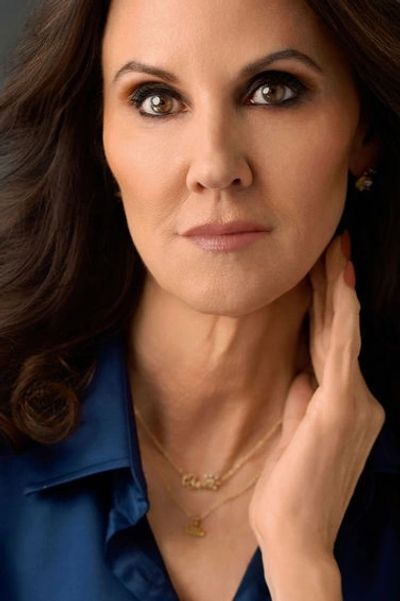
Hello and welcome! I'm Kristi Ross, and I spend my days digging through centuries-old records, wandering through Scottish castles (virtually and otherwise), and giving voice to women history forgot. The Stewart Queens didn't just sit on thrones—they forged nations, navigated ruthless court politics, and held dynasties together with nothing but their wits and courage.
If you're curious about how queens truly wielded power behind the scenes, what life looked like inside medieval stone walls, or how I weave fact into fiction for The Stewart Queens series (coming late 2026), you've found the right place.
Ask me anything: about the queens themselves, the research that goes into each novel, my discoveries tracing my own royal lineage back seven centuries, or what it feels like to breathe life into women who've waited hundreds of years to have their stories told. Every question is welcome here, and I'll answer as many as I can—because these queens deserved better than silence, and so do the readers keeping their memory alive. Submit yours below, and let's discover the past together.
QUESTION FROM Ron T.:
I would like to know how much influence they had on the king. Some where great leaders. Were Queen Elizabeth and Sir Walter Raliegh lovers?
ANSWER FROM Kristi R:
When it comes to influence, queens often had far more power than the official records admit. Some shaped policy quietly, some acted as stabilizing forces in chaotic courts, and some stepped directly into leadership when the king was absent, captive, or incapacitated. The three queens in my Stewart series — Joan Beaufort, Euphemia Ross, and Annabella Drummond — each influenced the Scottish crown in different ways, and that contrast is one of the most fascinating parts of their history.
And you’re absolutely right that some queens were remarkable leaders. Annabella Drummond essentially held Scotland together during her husband’s decline, and Joan Beaufort governed as regent after James I’s assassination. Their strength is often overlooked, which is one of the reasons I’m so passionate about telling their stories.
As for Queen Elizabeth I and Sir Walter Raleigh, there is no evidence they were lovers. In my own research into the period leading up to the Tudors, I’ve found that Elizabeth was very deliberate about encouraging admiration from ambitious men like Raleigh. It was part of how she maintained authority in a male‑dominated court. But she also kept strict control over her personal relationships. Raleigh actually fell out of favor when he secretly married one of her ladies‑in‑waiting, which tells us a great deal about how carefully Elizabeth guarded her image and her power. To me, it’s a perfect example of how a queen could use the language of courtly love as a political shield, something my Stewart queens had to navigate in their own ways as well.
QUESTION FROM Christine S.: (Regarding King James I’s English captivity) But was he free to return to Scotland?
ANSWER FROM Kristi R: No, he was not. Not until an agreement could be made, and his kin, who were running things back home, preferred that he stay put. He made the most of it and got a killer education. And a highborn English bride
Do you have questions about medieval queens, the Stewart Queens series, or the research behind the novels? Send them my way. I review submissions weekly and answer them—with credit to each questioner. By submitting, you agree to be featured if selected. Thank you for keeping these stories alive!

Conversations with the Queens, is a FREE companion to my upcoming novels. It’s a blend of history, imagination, and the emotional truth these women carried.
Whether you’re drawn to forgotten women, Scottish history, or simply a good story, I hope these conversations stay with you the way they’ve stayed with me.
We use cookies to analyze website traffic and optimize your website experience. By accepting our use of cookies, your data will be aggregated with all other user data.